Here's a question almost no one asks when buying carpet: what's going underneath it? Yet the pad — the cushion you never see and forget about the moment it's installed — does more to determine how your carpet feels and how long it survives than the carpet itself. A good carpet over a bad pad disappoints in two years. A modest carpet over the right pad can feel great and wear evenly for a decade.
We bring it up with every customer, because it's the single easiest place to make a carpet purchase go wrong.
The pad is what you actually feel
When you step onto carpet and it feels luxurious, you're mostly feeling the pad. The fibers give you the surface texture; the cushion gives you the softness, the spring, and the quiet. That's why two identical carpets can feel completely different in two different homes — same carpet, different pad.
It's also why "I want the plushest, softest thing you have" isn't always the right instinct. The softest pad in the wrong room causes problems.
Too thick is a real mistake, not just too thin
Everyone understands that a pad can be too thin — flatten it out at the traffic lanes and the carpet wears fast and feels hard. Fewer people realize a pad can be too thick or too soft for the job.
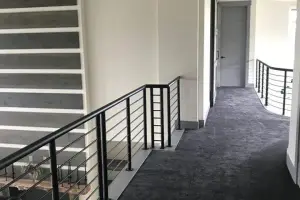
On stairs and in high-traffic hallways, an overly plush pad lets the carpet flex and move with every step. That constant movement stretches the carpet, works the seams, and causes ripples and premature wear. The fix isn't more cushion — it's a denser, firmer pad matched to the traffic. Density, not just thickness, is what carries the load.
Matching pad to room
There's no universal "best" pad, only the right one for the room and the carpet:
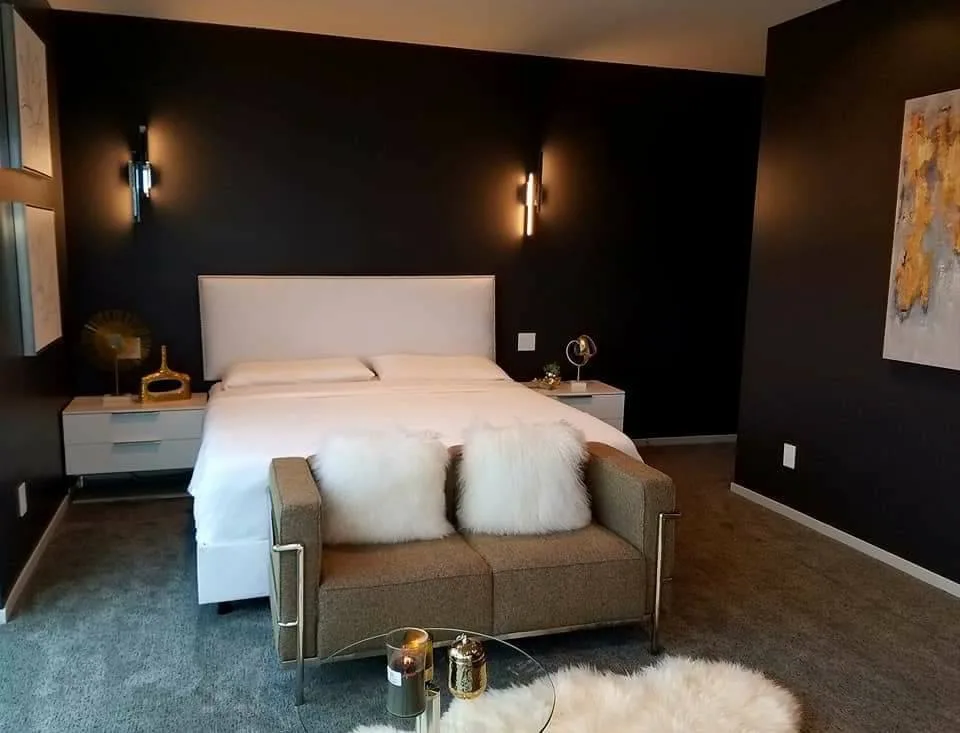
- Bedrooms and low-traffic rooms can take a thicker, softer pad for comfort.
- Stairs, halls, and family rooms want a firmer, denser pad that resists movement.
- Basements and concrete call for moisture-conscious choices so you're not trapping dampness under the floor.
The carpet manufacturer usually specifies a pad range too — go outside it and you can void the wear warranty without realizing it.
Why we'd rather tell you the truth
There's no benefit to us in selling you cushion you don't need, and a floor that ripples or wears early is a floor we hear about. So we match the pad to your rooms, tell you plainly when a thinner-but-denser pad is the better buy, and treat the cushion as half the floor — because it is. Get the pad right and the carpet above it does its job for years longer.